What makes a wedding website design actually good and how do you make yours feel like your wedding?
Your wedding website is the first impression your wedding makes. Here's how to get it right.
Read time: 6 minutesThe TL;DR
Your wedding website isn't a logistics page — it's the opening scene of your wedding story, and most couples are underselling it. The way it looks, reads, and feels sets the emotional tone for every guest before they ever RSVP.
Key Takeaways:
Your wedding website is a brand touchpoint, not a form to fill out
Guest experience begins the moment someone clicks your URL, not when they arrive at the venue
A custom wedding website design isn't an upgrade — it's the difference between a site that holds your details and one that holds your entire aesthetic
What should a wedding website include — and why does the design matter just as much as the details?
Most wedding websites answer questions. The best ones create a feeling.
Couples spend months refining every sensory detail of their wedding day, from the cheese selection at reception to the exact shade of the silk ribbon on the bouquets, and then point guests to a URL that looks like everyone else's. Your website is the first impression your wedding makes on the people you love most, and it deserves the same intention as everything that follows.
Every wedding website needs the basics — venue, RSVP, registry. But what separates a forgettable one from a great one is what it communicates before a guest even scrolls. Yes, guests need the venue address and the dress code. But they also need to feel the emotional register of the day before they arrive, whether that's romantic and formal, warmly intimate, or effortlessly cool. That's not a content problem. That's a design problem.
The couples with the best wedding websites treat the whole thing like a creative director would
Intentional design isn't a luxury upgrade: it's the difference between a website that informs and one that transports
Wedding website design has evolved well past the checklist phase. The couples who understand this aren't just thinking about what their site says — they're thinking about how it feels to land on it.
Your guests are already forming an opinion, so give them something worth feeling
The emotional arc of a guest experience starts at the URL
The moment a guest clicks your wedding website, the atmosphere of your wedding has already begun.
Think about what actually happens when someone receives a save-the-date and goes to look up the details. They're not in neutral, they're curious, excited, maybe already planning their outfit (I mean, I know I am…). What they encounter on your website either amplifies that anticipation or quietly deflates it. A site that feels generic, cluttered, or mismatched to the tone of the invitation tells guests something, even if it isn't what you intended.
Guest experience design is about the full emotional arc, from save-the-date through the send-off. The wedding website sits at the beginning of that arc, and it's the only part of the experience your guests will return to multiple times for details like directions, the registry, and the weekend timeline. Every visit is an opportunity to deepen the feeling you want them to arrive with.
The couples who get this right — choosing typography that echoes their invitation suite, photos that preview the venue's atmosphere, language that actually sounds like them — are the ones whose guests show up already feeling it. That's not luck. That's intentional wedding website design doing its job.
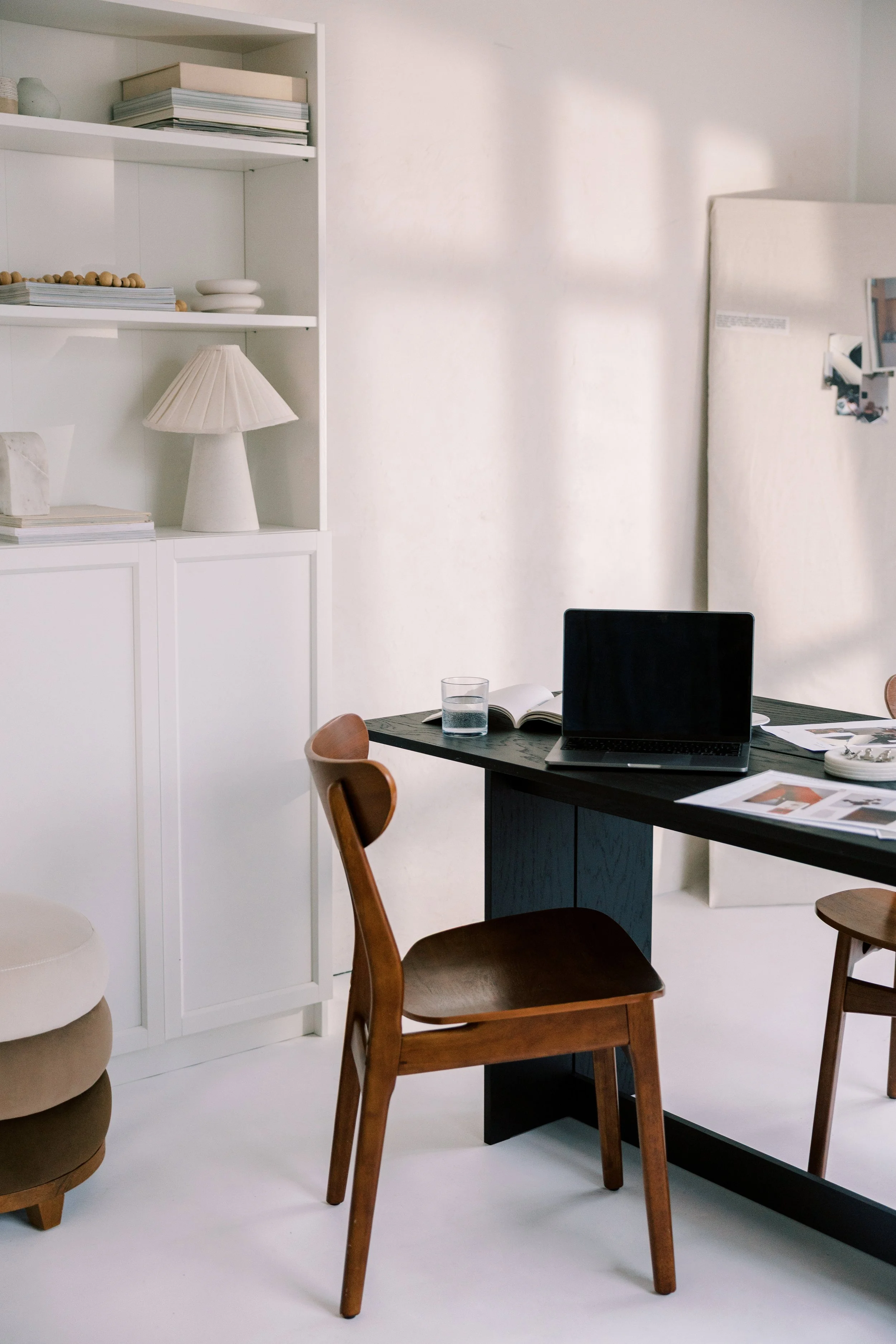
Your wedding website isn't where logistics live. It's where the story starts.
Custom Design vs. Template:
what the difference actually feels like
This isn't about budget, it's about whether the design is working for your wedding or someone else's
A template is a starting point. Custom design is a destination.
Templates exist for good reasons — they're accessible, they're fast, and the best ones are genuinely beautiful. But a template is built to work for any wedding, which means it's optimized for no wedding in particular. The fonts, the layout logic, the color assumptions — they're designed to be inoffensive and adaptable, not to capture the specific atmosphere of your vibe.
Custom design starts from a different question entirely. Instead of "How do we fit your wedding into this structure?" it asks "What does this wedding actually feel like, and how do we build a digital space that holds that?" The result is a website that doesn't look like it could belong to anyone else, because it couldn't.
See what a fully custom wedding website actually looks like →
The practical difference couples notice most isn't the visual, it's the coherence. When your website, your invitation suite, your signage, and your day-of materials all speak the same visual language, guests don't experience the pieces separately. They experience the wedding as a whole, curated entity. That's what visual cohesion actually does: it makes the entire event feel inevitable, like it couldn't possibly have been any other way.

Your wedding deserves a website that looks like it was made for you
The details you've obsessed over deserve a formal introduction that matches
You've been thoughtful about every layer of this wedding. The website is the first one guests encounter, and right now, it may be the one getting the least attention. That's a gap worth closing.
If you're curious what a fully custom wedding website actually looks like — one built around your stationery, your aesthetic, your specific kind of wedding — the bespoke design page is worth a look. Make sure to bring your moodboard!
FAQs
Frequently Asked Crudités
-
Your wedding website should cover the essentials: venue details, RSVP, registry, and a weekend timeline if applicable — but the most important thing it should include is a clear sense of atmosphere. Guests are using it to understand what kind of wedding this is going to be, not just where to park. Let the design, photography, and tone of voice do that work.
-
Most couples launch their wedding website when save-the-dates go out, typically 9 to 12 months before the wedding for destination events, 6 to 8 months for local celebrations. Launching early gives you time to refine the design before it gets heavy traffic, and gives guests a place to land the moment their curiosity is activated.
-
A template gives you a beautiful, functional structure that works for most weddings. A custom website is built specifically around your visual identity: your color palette, typography, photography, and theme. The difference isn't just aesthetic; it's whether the design is doing active work to communicate who you are, or simply holding your information in a presentable way.
-
Yes, and not just for logistics. Your printed invitations set the visual and tonal expectation; your website is where guests go to complete the picture. It's where they find the details that don't fit on a card, but more importantly, it's the first fully immersive experience of your wedding that they get to have. One complements the other. Neither replaces the other.
-
Most free wedding website platforms index your site publicly by default, which means your venue, date, and guest list can show up in a Google search. A custom-built wedding website can include password protection and SEO blocking so only your guests can find it — not the whole internet.
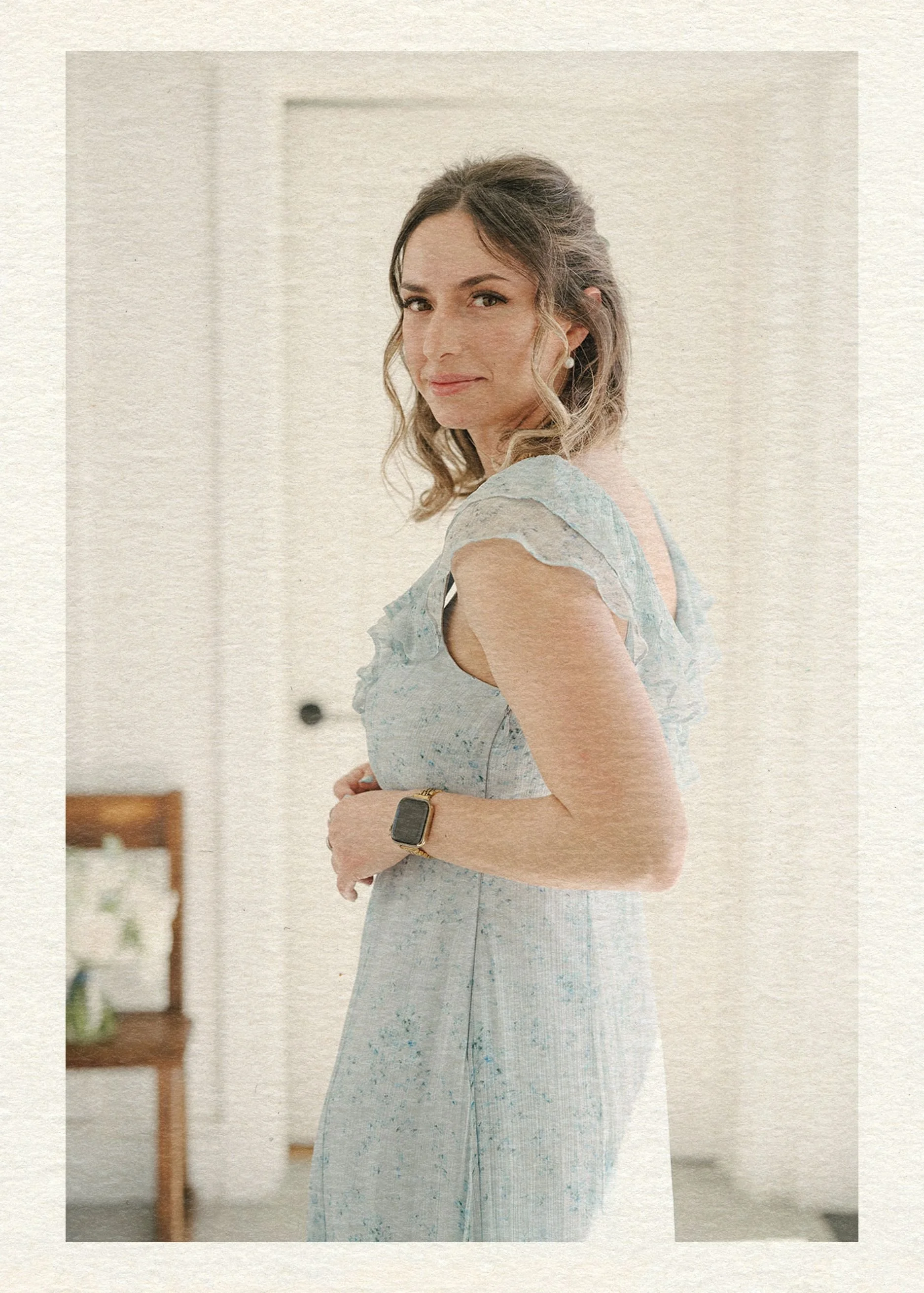
Hey there, I’m Maud!
I accidentally became the go-to Expert
for creating above-average wedding websites as the party-planning-loving tech girlie in the friend group. In the span of a {decidedly socially busy} year, I had friends popping up left and right for advice on how to create a wedding website that didn’t totally suck. Thinking I could find something better for them as a pro web designer, I searched the whole dang world wide web and came up with… nada. Zilch.
So I built them custom sites harmonizing with their invitation suites and themes.
Realizing lots of couples were stuck in the same spot without a web design buddy to tap in — I knew what I had to do: launch a wedding website shop! (Say that five times fast.) Now I help couples achieve the elevated details, privacy, and stress-free support they deserve.


The BTO Blueprint
Ready to discover the stress-free way to build a wedding website that matches your vibe and keeps guests out of your inbox?
Enter your best email here & you’ll snag a free copy of my new checklist with all the details you’ll need to launch a perfect site.
Explore the Edit